
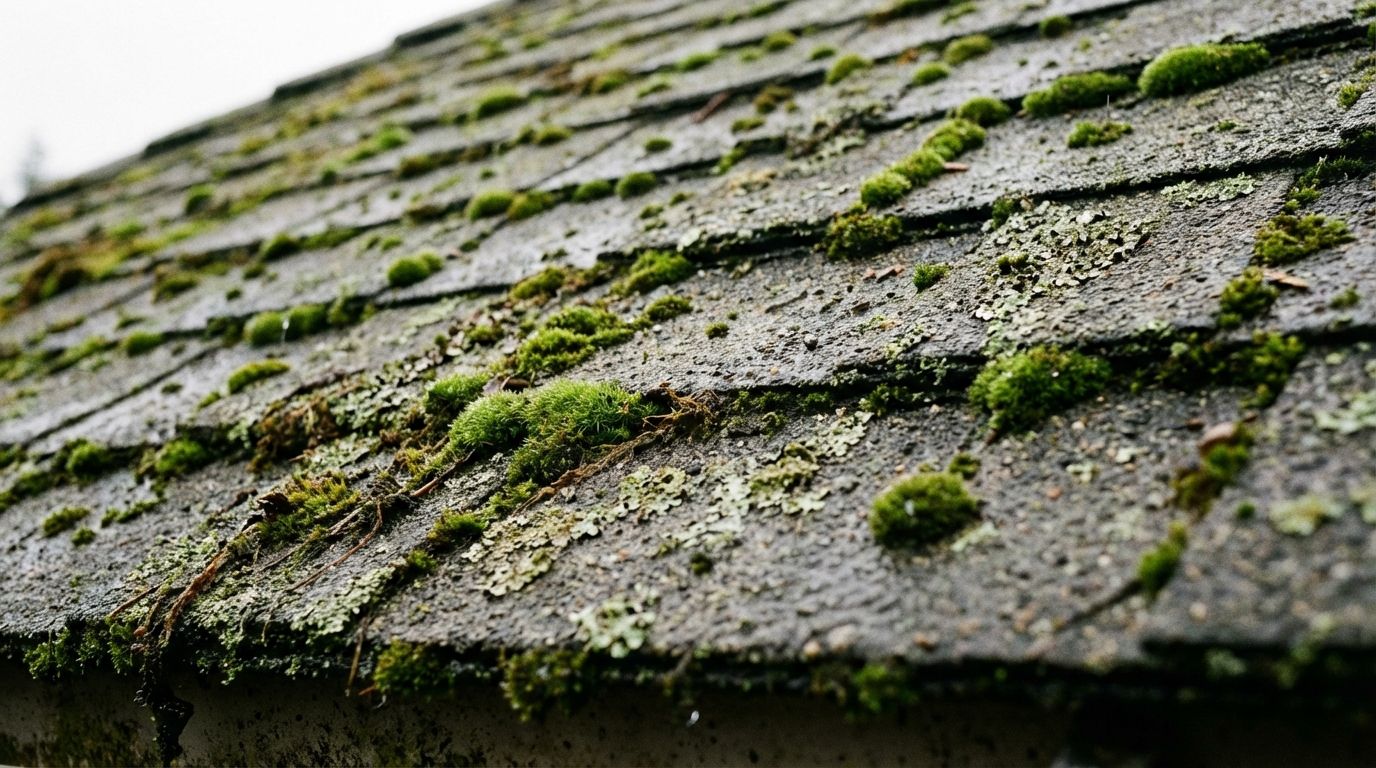
Is moss taking over your roof, and you’re not sure if you need moss removal or roof cleaning?
If you live in Victoria, BC, this is a common headache. Our wet seasons, shade, and tree debris make moss, algae, and lichen feel like they show up overnight.
I’m Victoria, and after over ten years in roof care (including hands-on work with manual moss removal, low-pressure rinsing, and maintenance planning), I’ve noticed most homeowners don’t need “everything”, they need the right method for their type of roof.
Let’s sort it out together so you can protect the life of your roof without paying for the wrong cleaning service.
RoofMossRemovalVictoria.ca is a local, homeowner-first roof care resource for Greater Victoria, including Victoria, Saanich, Oak Bay, Esquimalt, View Royal, Colwood, Langford, Metchosin, Highlands, Central Saanich, North Saanich, and Sidney.
In our area, long damp seasons, abundant shade, and tree debris often lead to a recurring moss problem.
Key Takeaways
- Victoria’s climate is perfect for moss: Environment and Climate Change Canada’s 1991-2020 normals for Victoria show about 155 days per year with measurable rainfall, so moss regrowth is something you plan for, not a one-time surprise.
- For asphalt shingle roofs, the safest path is usually gentle manual removal plus a targeted moss treatment, then a maintenance schedule (many local providers back this with a one to two year moss-free guarantee when treatment is included).
- A 2025 Victoria pricing roundup from a local provider lists roof cleaning and moss removal commonly around $0.20-$0.70/ft2, with many residential jobs landing roughly $500-$1,500 and typical minimum charges of $150-$250.
- Skip high-pressure washing on asphalt shingles, it can strip granules and speed up roof damage. Soft wash and low-pressure rinsing are usually the better match for shingle roofs.
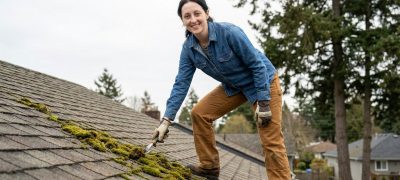
Proper roof moss removal means careful removal of bulk moss using hand methods, often with a scrub brush, to clear away organic matter gently. Following the initial removal, applying a treatment to kill remaining moss helps prolong the life of your roof.
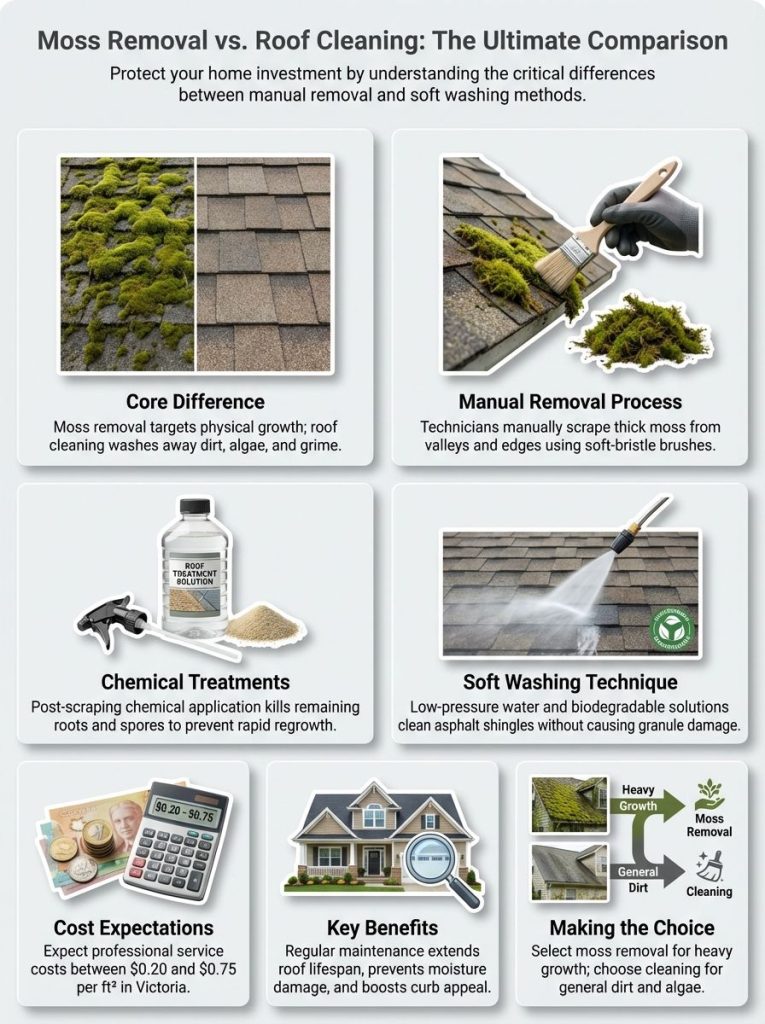
Key Differences Between Moss Removal and Roof Cleaning
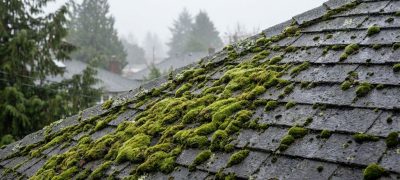
Moss removal focuses on getting thick moss off the roof surface and out of valleys and edges, then stopping regrowth at the roots and spores.
Roof cleaning is broader. It targets staining, algae, grime, and light organic growth, and it often includes roof and gutters cleanup so water can move off your roof properly.
While this guide focuses on asphalt shingle roofs, homeowners with metal roofs should seek advice from a professional roof cleaning company as cleaning methods differ.
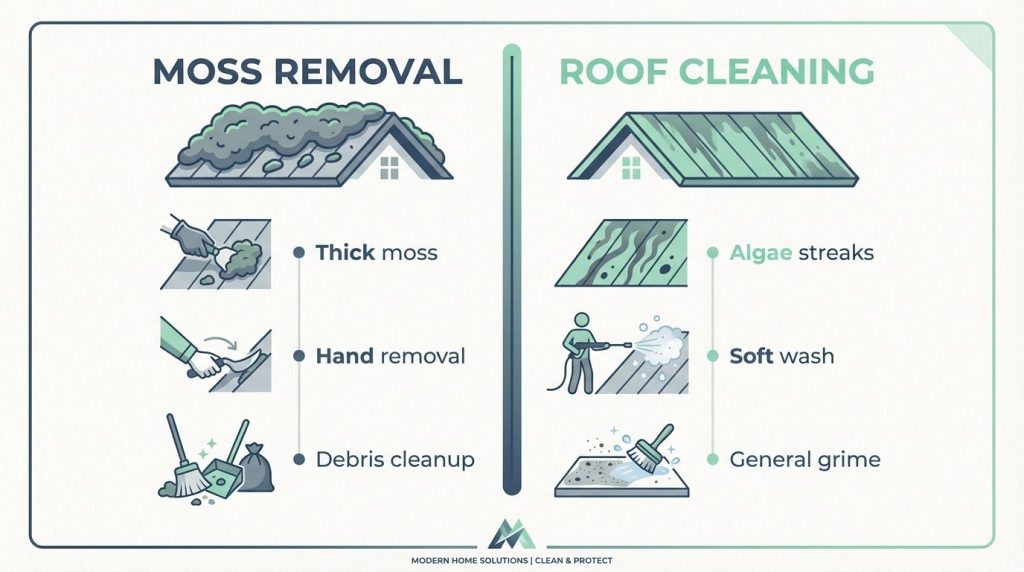
| Service | Best for | Typical steps | What you should watch for |
|---|---|---|---|
| Moss removal | Thick moss, spongy patches, clumps in valleys, blocked rain gutter areas | Hand removal, debris cleanup, moss treatment to slow regrowth | Over-aggressive scraping on asphalt shingle surfaces, messy cleanup left in gutters |
| Roof cleaning | Algae streaks, general grime, light moss, lichen spotting, curb appeal issues | Soft wash or controlled low-pressure rinse, cleaning solution dwell time, rinse, gutter cleaning | Power washing on shingles, harsh runoff into landscaping, missed downspout checks |
What is moss removal and why is it done?
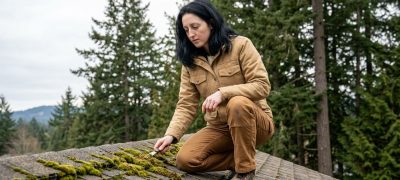
Moss removal is a targeted service for roofs with visible, thick organic growth. Crews clear moss by hand from edges, valleys, and anywhere it’s lifting or bridging between shingles.
After the physical removal, a proper moss treatment matters. That second step helps kill roots and spores that you cannot see, which is why the cleanest-looking “scrub only” jobs often regrow fast on shaded slopes.
In Victoria, north-facing and tree-shaded roof sections are the usual trouble spots. Since we get around 155 rainy days a year (per Environment and Climate Change Canada’s Victoria climate normals), even a good cleanup needs follow-up planning if you want moss to stay away for longer.
If you want help choosing the right approach, contact our local moss removal services or browse our roof cleaning and moss removal tips for asphalt roof cleaning, wood shingle care, and tile roof protection.
What does roof cleaning involve and why is it important?
Roof cleaning is a wider clean-up: it removes dirt, algae, fungus staining, light moss, and lichen so your roof sheds water the way it should. For asphalt shingles, pros usually lean toward soft wash methods and low-pressure rinsing to protect shingle granules.
A thorough cleaning service usually includes roof and gutters cleanup plus ground cleanup. A good crew will also check skylight seals, flashing edges, and downspouts so water does not overflow back onto the roof.
Pricing varies by access and roof condition. A 2025 Victoria cost guide from a local provider lists moss removal and roof cleaning commonly around $0.20-$0.70 per ft2, with many residential jobs landing about $500-$1,500 and minimum fees often $150-$250.
If your roof looks “dirty” but the growth is light, roof cleaning services can be enough. If the roof moss is thick and spongy, start with moss removal so you are not just washing the top layer.
Methods of Moss Removal
The best moss removal plan depends on your type of roof, how thick the growth is, and how easy it is to access valleys, dormers, and steep sections.
- Manual removal: gets thick moss off quickly, especially in valleys and at edges.
- Chemical moss treatment: targets spores and roots to slow regrowth.
- Prevention add-ons: zinc or copper options can reduce future moss and algae growth on moss-prone roofs.
How is moss removed manually from roofs?
Manual moss removal starts by clearing the thickest growth first. Crews focus on edges and valleys because that’s where moss traps water and debris and where small problems can turn into leaks.
The goal is to lift moss without scuffing the roof shingle surface. On older or brittle asphalt shingles, a careful pace matters, since aggressive scraping can pop tabs and loosen granules.
Using a scrub brush during manual removal helps remove moss effectively without damaging the surface. Access is a real cost driver in Victoria. Tight yards, tall trees, and steep pitches add time because crews need more safety setup and slower movement on the roof.
Safety is also a big reason many homeowners hire roof cleaning experts.
What chemical treatments are used for moss removal?
After removing the moss, technicians apply a moss treatment to kill remaining roots and spores. This is often what makes the difference between “looks clean today” and “still clean next season.”
One common pro-grade option is oxygen-based chemistry such as sodium percarbonate, which breaks down into simpler byproducts after it does its job. Some local services also offer bleach-free roof wash treatments that aim to reduce moss and algae without aggressive scrubbing.
For prevention, zinc or copper options can help on moss-prone roofs. For example, zinc strips installed near the ridge can release zinc oxide during rainfall, which helps inhibit moss and mildew growth over time (as listed in product documentation from major roofing accessory manufacturers).
If a contractor talks about strong chemicals but has no plan for controlling runoff, pause. A careful crew will protect plants, manage downspout discharge, and avoid sending concentrated cleaning solution into storm drains.
If you are considering long-duration coatings, ask very direct questions about prep and warranty terms. Some Canadian nanotech coating providers advertise pricing around $1.50-$2.00 per ft2 and warranties up to 15 years, depending on roof condition and installer certification.
Roof Cleaning Techniques
Roof cleaning techniques should match the roofing materials. The method that works on a concrete driveway can be the exact wrong move for an asphalt shingle roof.
| Technique | Where it fits | Pros | Common pitfalls |
|---|---|---|---|
| Pressure washing | Sometimes used on concrete or clay tile roof surfaces (with care) | Fast surface cleaning | Can remove granule protection on asphalt shingles and drive water where you do not want it |
| Soft wash | Asphalt shingles, older roofs, mixed moss and algae growth | Gentler on granules, better at treating organic growth | Poor runoff control can damage plants or leave streaks |
| Controlled low-pressure rinse | Rinsing after treatment, light grime removal | Lower risk of surface damage | Rinse-only jobs can leave roots and spores behind |
How does pressure washing clean a roof?
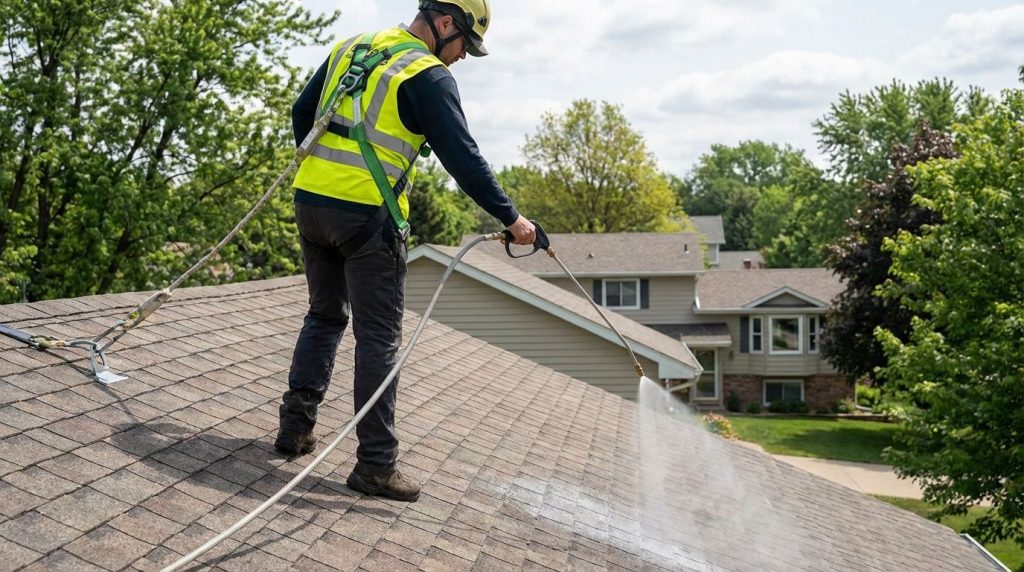
Pressure washing uses high-pressure water to blast dirt, algae, and light moss off the surface. It can make a roof look like new quickly, but it’s usually the wrong choice for asphalt shingles.
The Roofing Contractors Association of British Columbia and many local roof cleaners warn against using a pressure washer on asphalt shingles because it can remove granules. Those granules help protect the asphalt layer, so losing them can shorten the roof’s service life.
If someone insists pressure washing is “fine on any roof,” ask them to put their method in writing and explain how they avoid granule loss. If they cannot, choose a different cleaning method.
What is soft washing and how does it work?
Soft washing uses low-pressure water and a cleaning solution designed to loosen and treat organic growth. Instead of relying on force, it relies on chemistry plus time.
A typical soft washing process looks like this:
- Remove loose debris and clear valleys so water can drain
- Apply the cleaning solution and let it dwell long enough to work
- Rinse with controlled pressure to protect the asphalt shingle surface
- Finish with roof and gutters cleanup, including downspout checks
This approach is often recommended for shaded, north-facing slopes where moss and algae return quickly. It also pairs well with maintenance plans so your roof will stay cleaner between full cleanings.
What are the benefits of moss removal?
Moss removal is about protecting the roof, not just making it look better. Moss holds moisture, and that constant wetness can lift edges, clog valleys, and raise the risk of a leak.
In my experience, the biggest wins come from doing two things well: removing the moss physically, then treating what remains so it does not rebound right away.
- Less roof damage risk: fewer moss mats means less trapped water against shingles.
- Cleaner drainage: fewer clumps sliding into the rain gutter and downspout system.
- Better longevity odds: many Canadian roofing guides estimate asphalt shingles often land in the 15-30 year range, and keeping organic growth under control helps you stay closer to the better end of that window.
- More predictable maintenance: in Victoria’s climate, many local crews recommend treatment or cleaning roughly every 1-2 years for moss-prone roofs, especially under heavy tree cover.
What are the benefits of roof cleaning?
Roof cleaning gives you a wider reset. It tackles algae, lichen, grime, and general organic material that can age roofing materials and dull curb appeal.
- Improves curb appeal: cleaner shingles and fewer streaks make the home look cared for.
- Supports roof performance: clean valleys and clear gutters help water move off the roof and away from the home.
- Finds small issues early: crews often spot loose flashing, skylight seal wear, or clogged downspouts during cleaning the roof.
If you have solar panels, bundling solar panel cleaning with roof and gutters work can be a smart safety move.
For homes with solar panels, clean your roof to help maintain panel performance and avoid extra costs related to panel removal and reinstallation.
On the product side, I also keep an eye on building protection options.
What factors should influence your choice between moss removal and roof cleaning?
Start with what you see, and where you see it. Thick roof moss in valleys and shaded edges points to moss removal first. Staining and light growth across the whole surface points to roof cleaning services.
A quick way to choose the right service
- Choose moss removal if moss is thick, spongy, or lifting shingles, especially on north-facing slopes.
- Choose roof cleaning if you mainly see algae streaks, lichen dots, and general grime with only light moss.
- Choose soft wash if you have asphalt shingles, older shingles, or you want to avoid damaging power washing.
- Avoid pressure washing on asphalt shingles, granule loss is a real risk.
Cost and access realities in Victoria, BC
Roof size, pitch, extra storeys, and yard access can change the quote more than most people expect. Many companies also bundle gutter cleaning because roof debris often ends up in the gutters during removing the moss.
If you are comparing quotes, ask each contractor to confirm these items in plain language:
- What cleaning methods they will use for your type of roof
- What cleaning solution they apply, and how they manage runoff
- Whether roof and gutters cleanup is included, and if downspouts are checked
- Whether a moss treatment and any guarantee is included, and for how long
Ensure the service uses methods that remove moss manually and that are safe for your roof. A reliable moss removal company will use techniques that protect the bitumen and prolong the lifespan of your roof without causing additional damage.
Conclusion
Moss removal targets moss growth and its roots to reduce moisture problems and roof damage, while roof cleaning removes algae, grime, and debris so your roof drains and looks better.
In Victoria, BC, asphalt shingle roofs usually do best with manual work plus treatment or a soft wash roof cleaning approach, not high pressure washing.
If you want a safe, cost-effective plan, talk with a local pro about roof cleaning and roof moss removal based on your roof’s material, slope, and the level of growth.
FAQs
1. What is the difference between moss removal and roof cleaning?
Moss removal targets moss growth, while roof cleaning removes dirt, stains and other organic build-up.
2. Which is best for my roof?
It depends on roof condition and how long the moss has been there. If moss has rooted into the roof covering, choose moss removal; if you want to restore the look, pick full roof cleaning.
3. How often should I do moss removal or roof cleaning?
Check your roof once a year and after big storms. Clean when you see moss or dark streaks, often every 2 to 5 years. Ask a local professional to match the timing to your climate and roof covering.
4. Can roof cleaning harm my roof?
High pressure washing can damage roof covering, so use low-pressure methods and trained technicians.
Disclosure: The information provided in this content is for informational purposes only and should not be considered a substitute for professional advice.